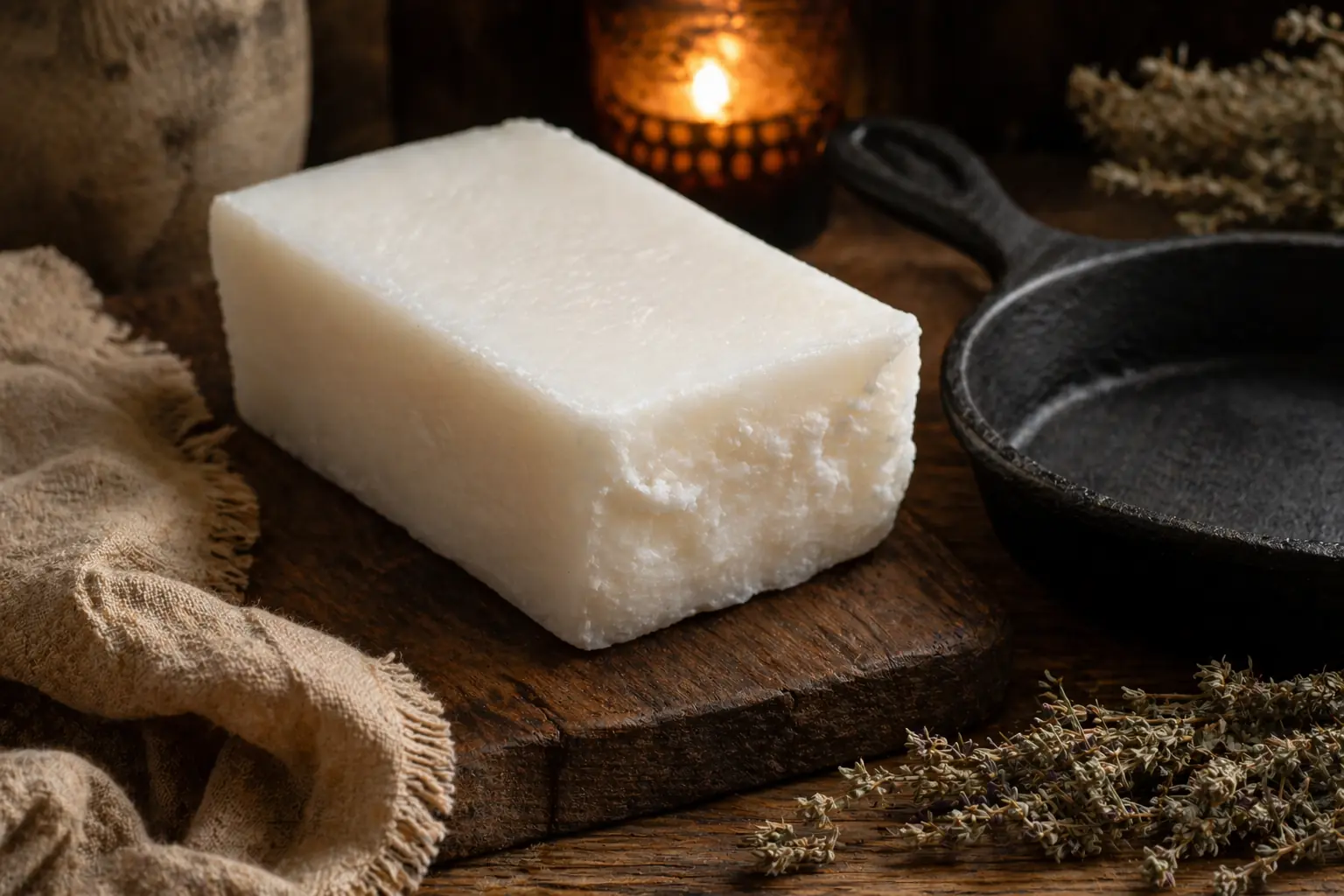
Walk down the soap aisle at any big-box store and you will find dozens of colorful “beauty bars,” “body bars,” and “deodorant bars.” Many of them are not actually soap at all. Understanding the difference between a true handmade tallow soap and a mass-produced commercial bar can change the way you think about what you put on your skin every day.
What Counts as “Real” Soap?
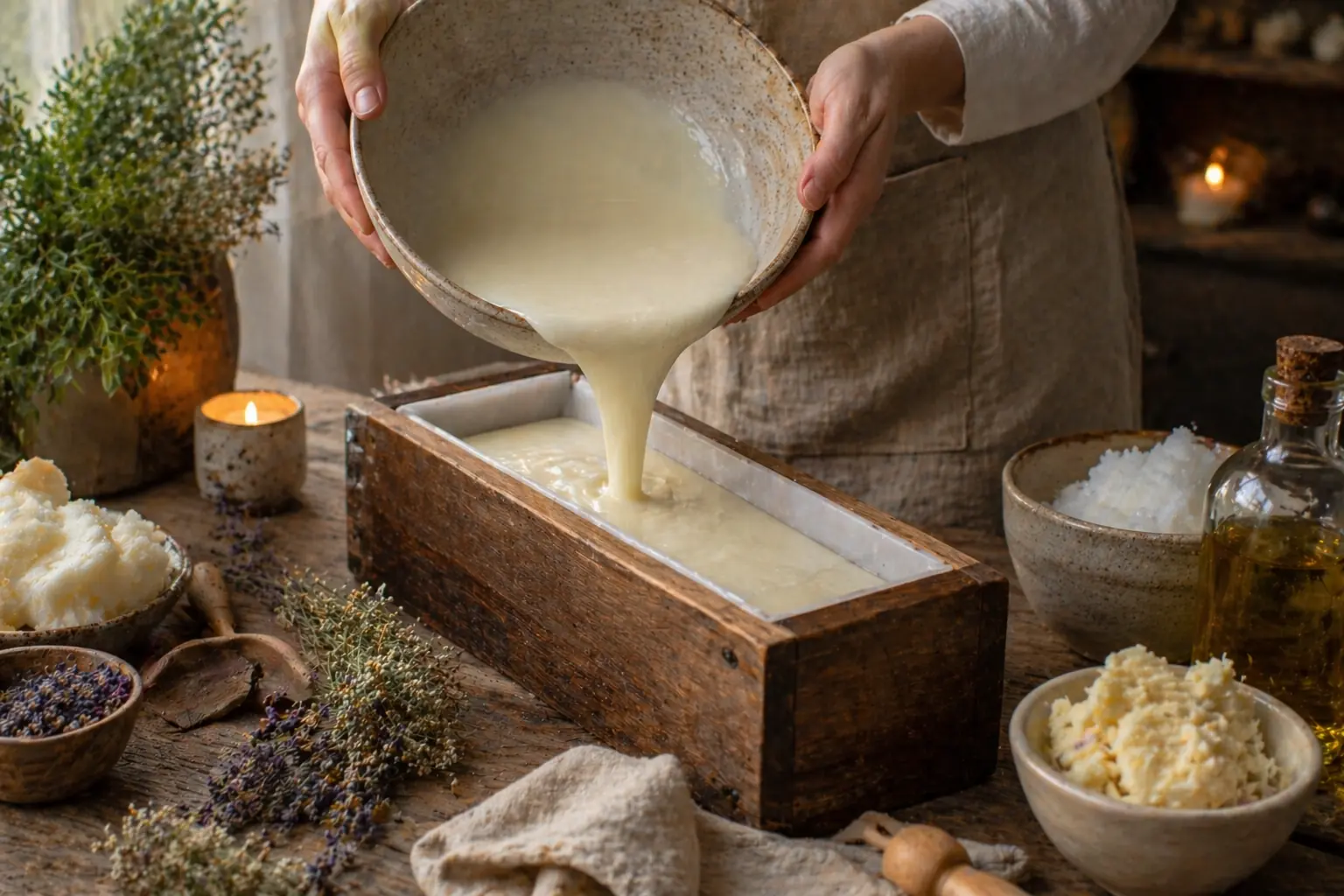
Real soap is made by combining fats or oils with lye in a process called saponification. The result is soap plus natural glycerin. Many commercial bars, by contrast, are built from synthetic detergents (often called syndet bars) — the same family of cleansing agents used in dish and laundry products, just milder. That is why so many of them are legally labeled “beauty bar” instead of “soap.”
At Mawmaw's, every bar is genuine cold-process soap — if you want the full story, see our post on what cold process soap is.
Reading the Label
A typical mass-produced bar can carry a long list of ingredients: synthetic surfactants, hardeners, synthetic fragrance, dyes, lather boosters, and preservatives. None of that is necessarily dangerous, but it is a lot of laboratory chemistry for something you rub on your skin daily.
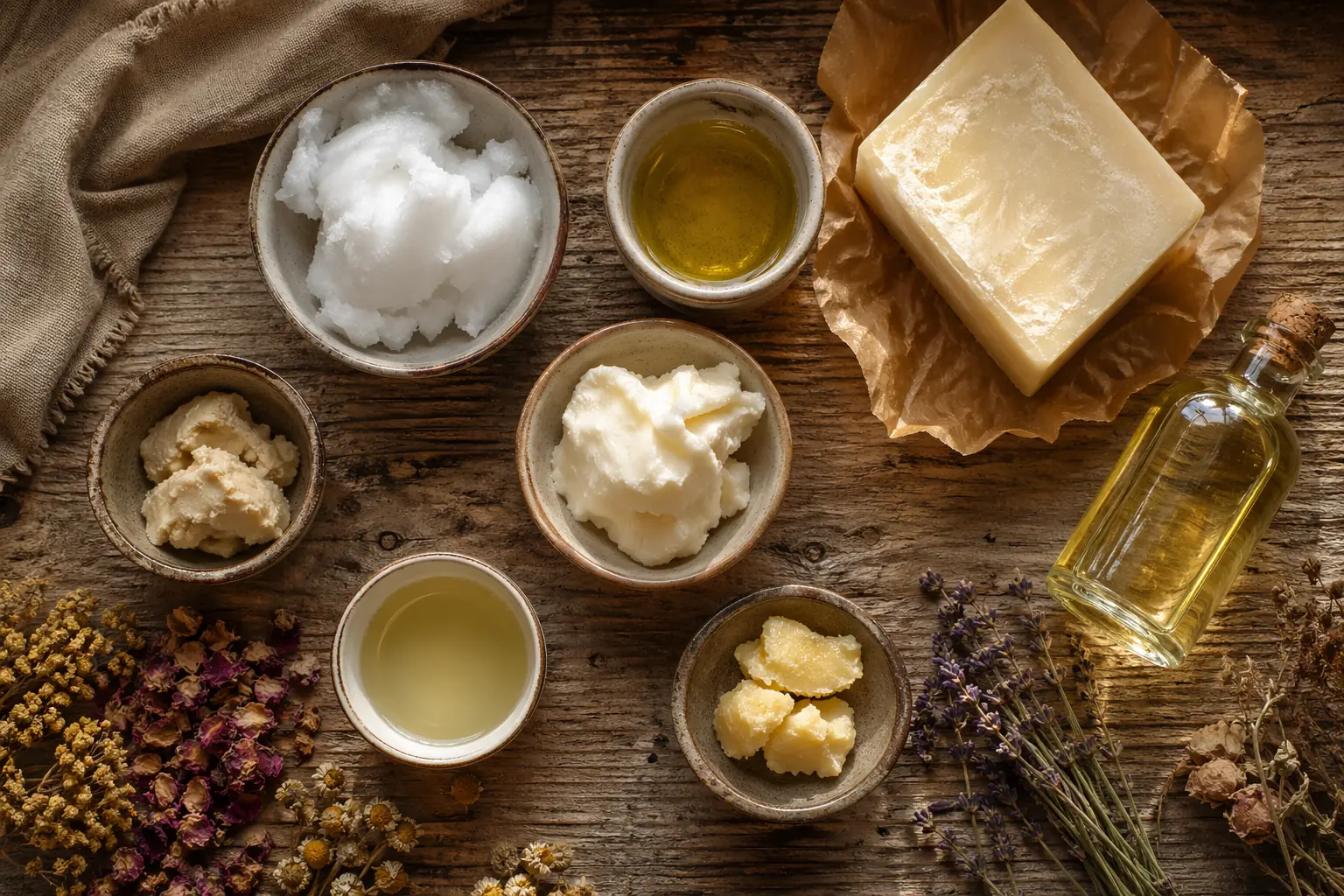
A Mawmaw's bar reads very differently. It is a short list of fats, butters, and oils — beef tallow, shea butter, mango butter, coconut oil, olive oil — plus skin-safe colorants and fragrance. You can pronounce everything on it. See the full breakdown on our ingredients page.
The Glycerin Difference
Here is one of the biggest distinctions. Glycerin is a natural humectant that pulls moisture toward your skin, and it forms naturally during soap making. Large manufacturers frequently extract the glycerin from their soap and sell it separately for use in higher-priced lotions and creams. Handmade soap keeps every drop of that glycerin right in the bar.
That retained glycerin is a big reason handmade tallow soap tends to leave skin feeling soft and conditioned, while many commercial bars can leave it feeling tight and dry.
Lather, Feel, and Gentleness
Commercial detergent bars are engineered for big, foamy, fast bubbles — that lather is often a marketing feature, not a sign of cleanliness. Tallow soap produces a creamier, lower, more stable lather that feels rich and gentle. For many people, especially those with dry or sensitive skin, that gentler clean is far more comfortable. We dig into that in our guide to tallow soap for dry skin.
Small Batch vs. Mass Production
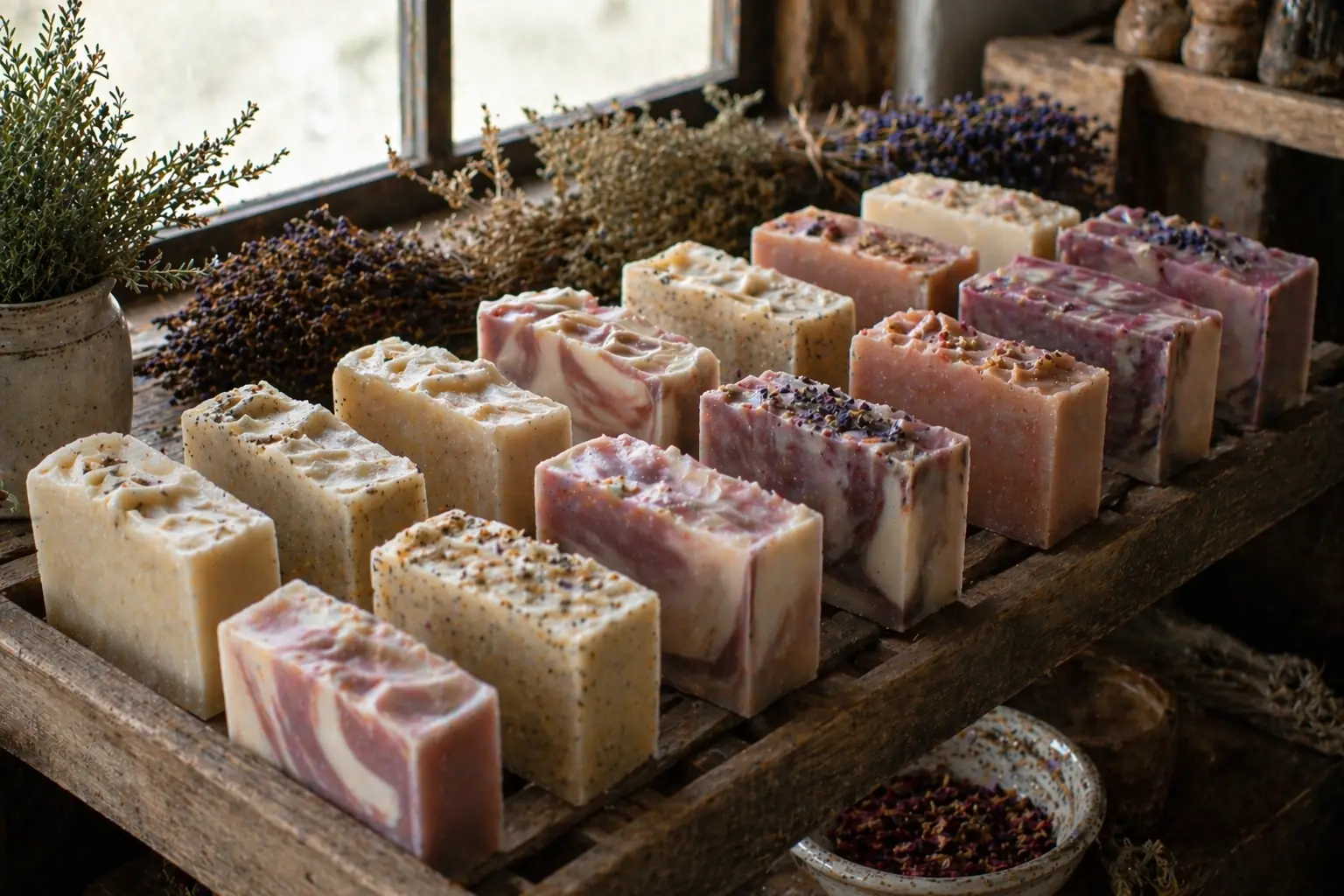
Mass-produced soap is stamped out by the millions on industrial lines, optimized for shelf life and cost. Our bars are made by hand in small batches by a mother and her daughters, then cured for weeks. That means a little more care, a little more time, and a bar with character — you can read about our family on our story page.
Is Handmade Worth a Little More?
A quality handmade bar can cost a bit more up front than a multipack from the store. But because tallow bars are hard and long-lasting, and because of the way they treat your skin, most people find them well worth it. Honestly, the best way to decide is to try one and feel the difference for yourself.