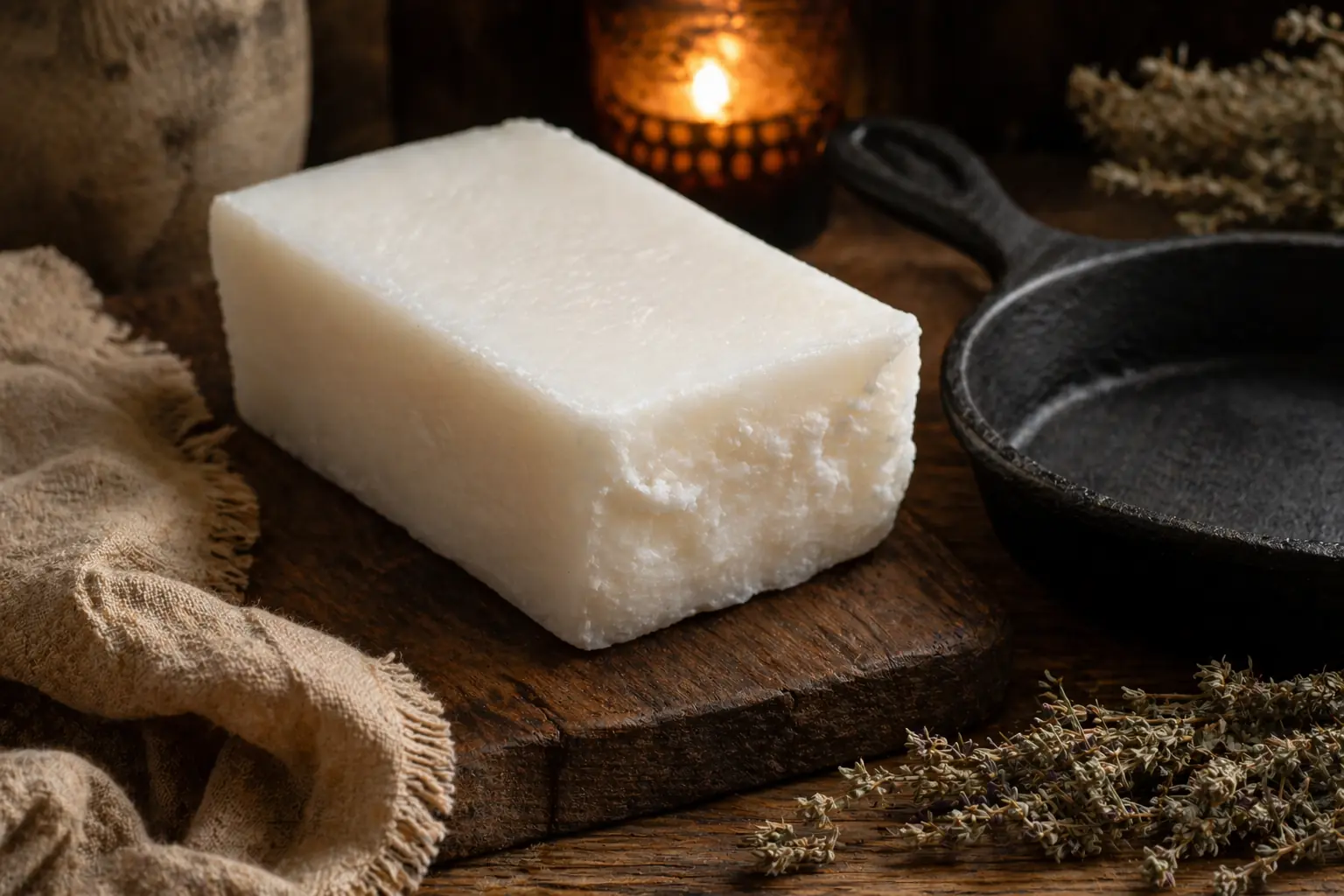
“Cold process” is one of those phrases you see on handmade soap and may not think much about — but it is the heart of what makes a bar gentle, long-lasting, and good for your skin. Here is what it actually means, explained the way we would explain it to a friend at our kitchen table.
Cold Process, Defined
Cold process is a method of making soap from scratch by combining fats and oils with lye, without applying outside heat to force the reaction. The soap maker relies on the natural warmth created by the ingredients themselves. It is the most traditional, hands-on way to make real soap — the same basic method our great-grandmothers used.
Saponification: The Magic Step
The science word is saponification, but the idea is simple. When fats or oils meet lye, a chemical reaction transforms them into soap and natural glycerin. People sometimes worry about lye, so here is the important part: there is no lye left in a properly made, fully cured bar. It is entirely consumed in the reaction. No lye, no soap — it is a required ingredient, and it is gone by the time the bar reaches you.
Every bar of real soap ever made — including the gentlest baby soap — was made with lye. The cold-process method simply does it slowly and carefully.
How We Make a Batch
Here is the journey of a Mawmaw's bar, start to finish:
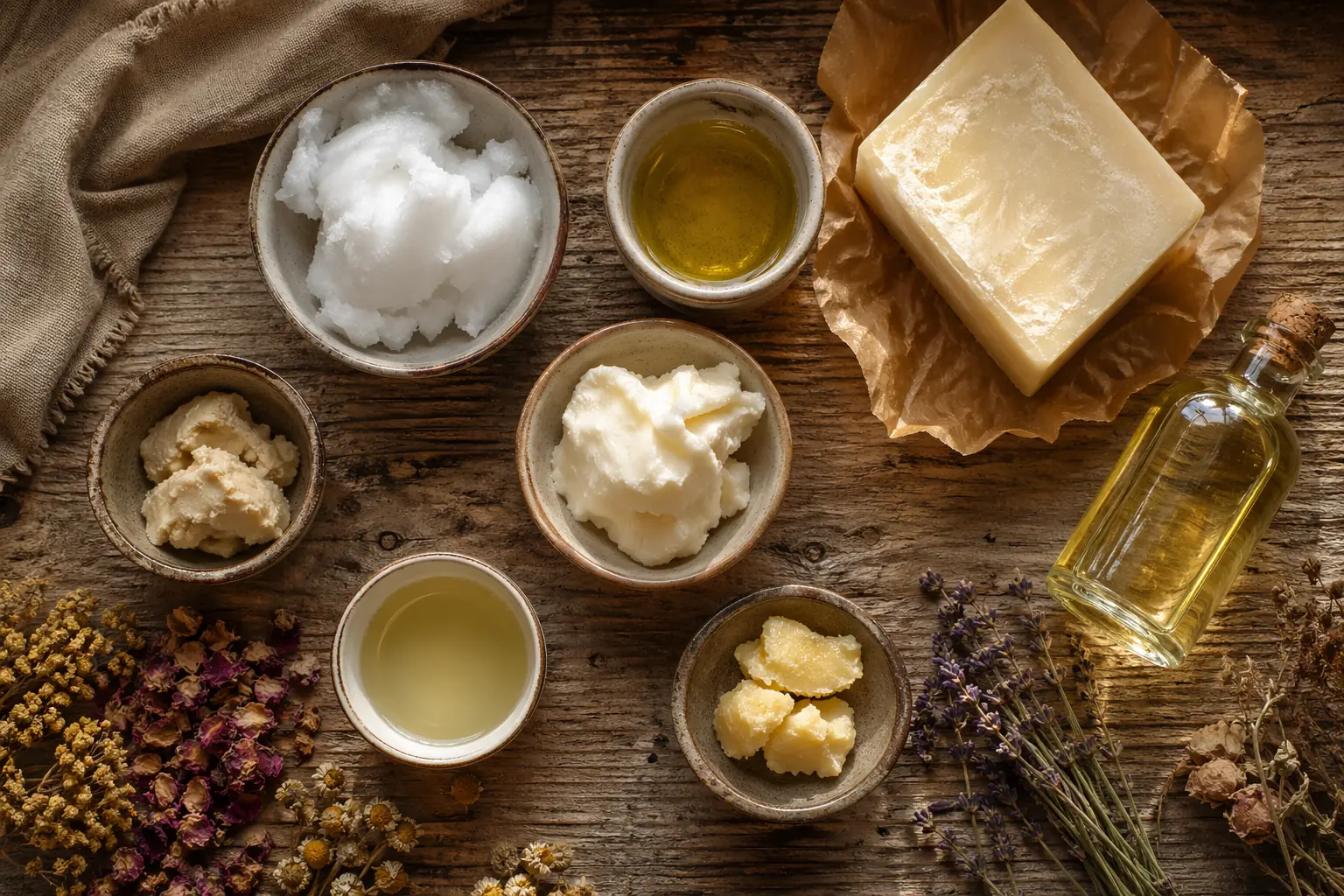
- Measure. We carefully weigh our tallow, butters, and oils, along with the lye solution.
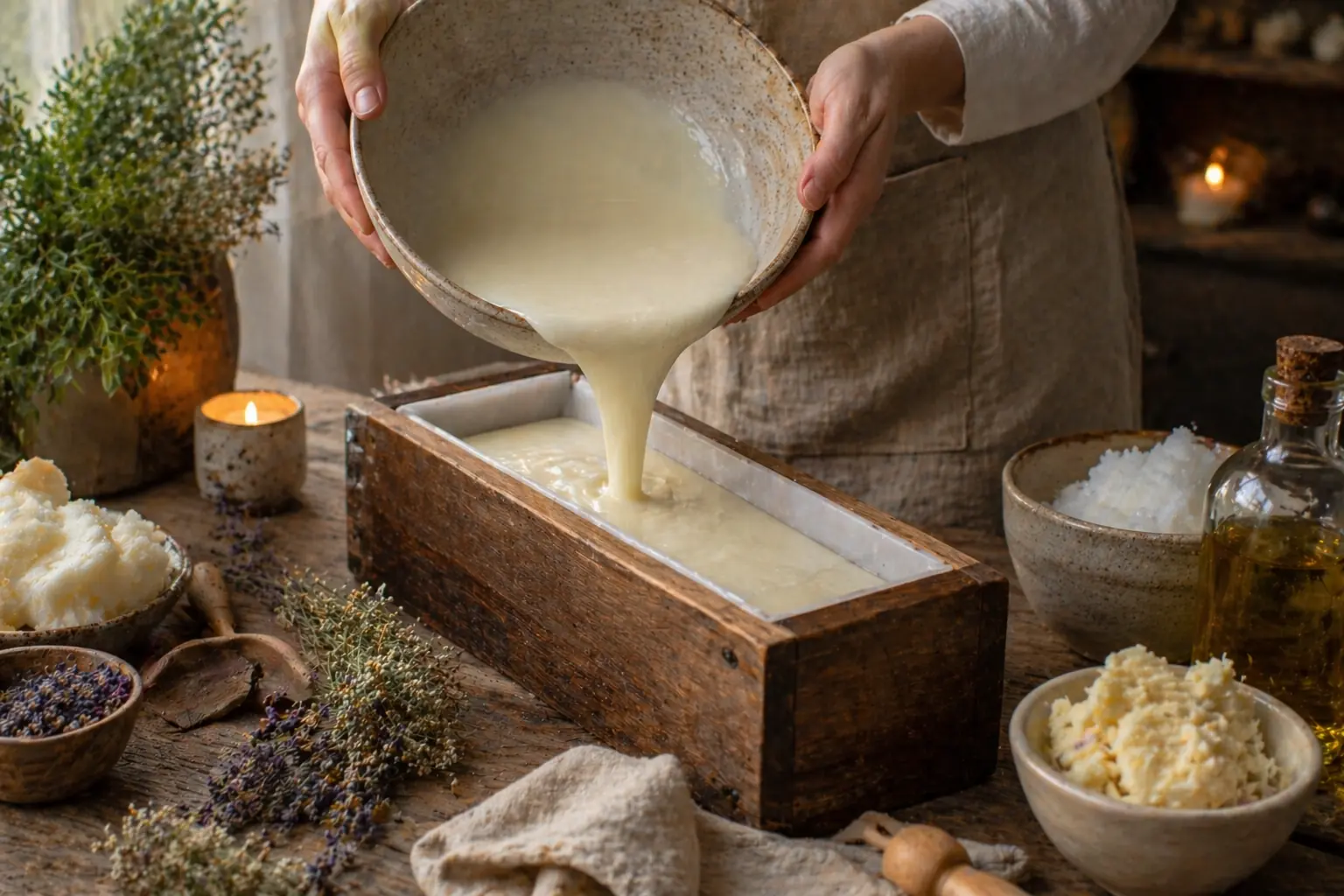
- Blend to trace. The oils and lye are combined and mixed until they thicken to “trace,” the point where the mixture holds a faint trail on the surface.
- Add the good stuff. Skin-safe fragrance, botanicals, and natural colorants go in.
- Mold. The soap is poured into molds and left to set.
- Cut. Once firm, the loaf is hand-cut into individual bars.
- Cure. The bars rest for several weeks before they are ready.
Why the Cure Matters
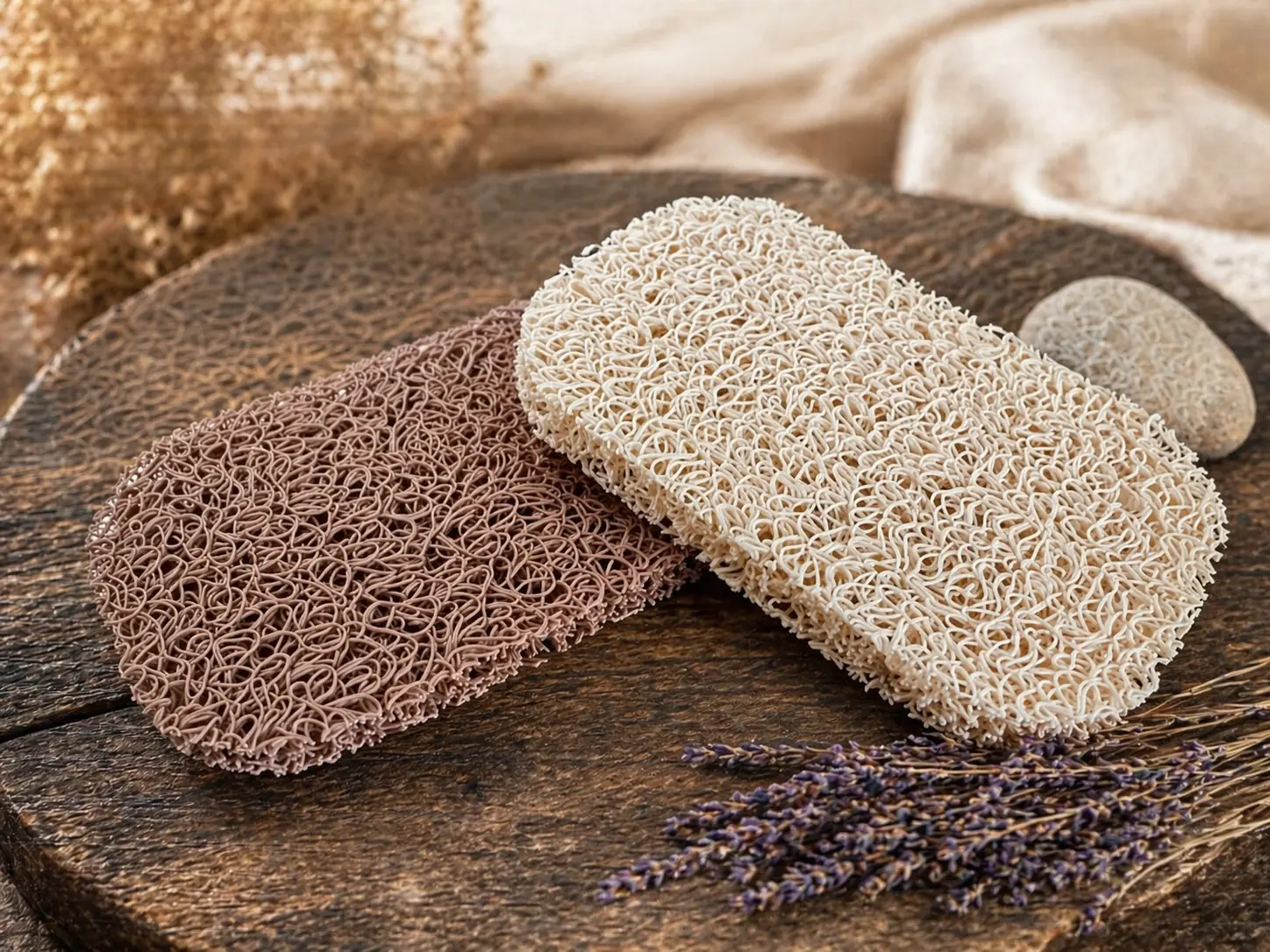
Curing is the patient part. Over four to six weeks, excess water evaporates and the bar finishes hardening. A well-cured bar is harder, milder, and longer-lasting than a rushed one. It is why handmade soap rewards a little patience — and why ours lasts so well in the shower. For tips on stretching that even further, see how to make soap last longer.
Cold Process vs. Melt-and-Pour vs. Hot Process
There are a few ways to make soap. Melt-and-pour uses a pre-made soap base that you simply melt and remold — quick, but you do not control the ingredients. Hot process is similar to cold process but uses added heat to speed up saponification, often giving a more rustic texture. Cold process, our choice, gives the smoothest bars and the most control over exactly what goes in — which matters when you care about every ingredient, as you can see on our ingredients page.
Why We Choose Cold Process
For us it comes down to quality and honesty. Cold process lets us build each bar around skin-loving beef tallow and natural butters, keep all the glycerin, and know exactly what is in every batch. It is slower and takes more care — and that is exactly the point. A bar like our Midnight Lavender simply could not be what it is any other way.